Gestational diabetes

Image of pregnant woman having finger prick test to check blood glucose level

Cases of gestational diabetes (also known as pregnancy diabetes or diabetes in pregnancy) are on the rise, putting pregnant women and their unborn babies at serious risk.

Between 2013 and 2018, the number of women diagnosed with gestational diabetes increased from 22,215 per year to 40,823 per year (112 new cases every day in 2018).*1,2

*as registered with the National Diabetes Services Scheme

Bar

Graph adapted from National Diabetes Services Scheme data1,2

This pattern coincides with an increase in expectant mothers who are older, who are overweight/obese or whose ethnic background puts them at high risk.

What is gestational diabetes?

Gestational diabetes refers to diabetes that first occurs, or is first recognised, during pregnancy.

Hormonal changes due to being pregnant can make your body lose its ability to control the levels of sugar (glucose) in your blood. Uncontrolled blood sugar levels during pregnancy may then lead to a range of health issues for you and your baby.

What causes gestational diabetes?

Your body normally keeps the level of sugar in the blood at a specific level. The hormone insulin is responsible for moving sugar out of your blood and into your muscles and liver, where it can be used as energy.

Unfortunately, the hormones responsible for supporting your pregnancy and the development of your baby make your body resistant to insulin. As your pregnancy progresses, more and more insulin is required to keep your blood sugar at the right level. Most, but not all, women can meet the increased demand for insulin – those who can’t develop gestational diabetes.

What are the symptoms of gestational diabetes?

Almost all women with gestational diabetes have no symptoms. This is why testing is highly recommended for all pregnant woman, not just those who are at high risk.

However, when symptoms occur, some of the more obvious ones include:

  • Increased need to urinate
  • Extreme fatigue
  • Excessive thirst/dry mouth
  • Nausea
  • Yeast (thrush) infections
  • Blurred vision.

As you can see, distinguishing the signs of gestational diabetes from that of a normal pregnancy can be difficult. However, symptoms are usually more severe with gestational diabetes. It’s a good idea to have your diabetes risk assessed early in your pregnancy and follow up with regular reviews by your obstetrician.

Who is at risk of developing gestational diabetes?

We know that various factors may increase your risk, such as a previous history of gestational diabetes, carrying excess weight and older age.

Risk factors

  • Age above 35
  • Being overweight or obese
  • Previous history of gestational diabetes
  • Family history of type 2 diabetes
  • Previous baby weighing over 4.5kg
  • Aboriginal, Torres Strait Islander, Asian, Polynesian, Middle Eastern or Indian ethnicity
  • Excessive weight gain during pregnancy
  • Antipsychotic or steroidal medication
  • Polycystic ovary syndrome (PCOS)

What are the dangers of gestational diabetes?

With early detection and management of gestational diabetes, we would still usually expect a healthy and uneventful pregnancy.

However, if gestational diabetes is left undetected or poorly managed, the following issues can occur:

  • Increased risk of shoulder dystocia during birth (the baby’s head delivers but its shoulders become stuck) – this results from excessive foetal girth and can cause trauma for baby (bone fractures, nerve damage) and mother (vaginal tearing)
  • Increased risk of pre-term delivery
  • Respiratory distress or low blood sugar for your baby, requiring admission to a special-care nursery
  • Pre-eclampsia (high blood pressure, fluid retention and protein in the urine)
  • 1 in 2 risk that you will develop type 2 diabetes later in life
  • Increased chance of your child developing type 2 diabetes later in life.

How is gestational diabetes diagnosed?

The oral glucose tolerance test (OGTT) is the standard test used to diagnose gestational diabetes.

For an average-risk pregnancy, testing is typically performed between 26 and 28 weeks (when gestational diabetes is likely to develop).

If you have a history of gestational diabetes or are considered high risk, testing and management may begin at an earlier stage in your pregnancy.

The OGTT involves:

  • A fasting blood sample in the morning
  • Consuming a concentrated sugary drink
  • Taking blood samples 1 and 2 hours later.

A diagnosis of gestational diabetes is made if your blood sugar level is above the normal range at any point during the testing.

How is gestational diabetes treated?

If you are diagnosed with gestational diabetes, we can often manage it effectively throughout your pregnancy with lifestyle modifications. Timely intervention allows most women to continue on with a normal pregnancy and reduces the chance of complications, such as those listed above.

Managing gestational diabetes

  • Consume a healthy, balanced diet – avoid foods that are high in sugar or processed carbohydrates.
  • Exercise regularly at a level suitable for you
  • Attend all review appointments with your obstetrician, diabetes educator and endocrinologist (if required)

Implementing these changes is usually enough to effectively control blood sugar levels, although medication may be required for some women. More frequent appointments are required to monitor your progress and the condition of your baby.

Depending on the severity of your gestational diabetes, delivery is usually recommended between 38 and 40 weeks. It is generally not advisable to go past your due date.

Once you have given birth, the diabetes will often resolve. However, there is a 50% chance that you may develop type 2 diabetes later so remember to maintain a healthy diet, healthy weight and regular exercise.

Can I prevent gestational diabetes?

Prevention is difficult because many of the causes are out of your control, such as your family history and the hormone levels produced by your placenta.

However, there are also controllable risk factors – namely, high pre-pregnancy weight and excessive weight gain during pregnancy. The best way to manage these is by consuming a diet low in sugar and processed carbohydrates.

Read more about healthy weight gain in pregnancy and pre-pregnancy health

Do you need a specialist opinion?

Early detection and management are essential when it comes to gestational diabetes. If you have any concerns prior to or during your pregnancy, don’t hesitate to call my rooms on (03) 9418 8299 or book an appointment online.


References

1. National Diabetes Service Scheme: Gestational Diabetes as at 31 December 2018 (accessed online 16 January 2019). Available at https://static.diabetesaustralia.com.au/s/fileassets/diabetes-australia/aa517d3a-5d41-4dec-a2ba-6c9a516b781a.pdf

2. National Diabetes Service Scheme: Gestational Diabetes at 31 December 2013 (accessed online 16 January 2019). Available at https://static.diabetesaustralia.com.au/s/fileassets/diabetes-australia/232cba14-5f2e-49ff-8e07-a14b1e011893.pdf

What is the best age to have a baby?

Image of confused woman with question marks

A straight answer about the perfect age to conceive would make life a lot easier. However, there’s no end of conflicting advice about this contentious topic.

And the reason for this contradictory information?

The ‘best’ age to fall pregnant is not the same for everyone. It all depends on whether you are considering biological or social factors, both of which are very important.

First, let’s understand the biological clock

There’s no denying that a woman’s fertility is time-sensitive. The so-called ‘biological clock’ is something that must be considered when you are deciding whether to try for a baby now or to delay for a few years.

Unfortunately, women cannot produce more eggs. This means that what they are born with – generally between 1 and 2 million eggs – is all that they will ever have in their lifetime. And this ‘ovarian reserve’ steadily declines with age. By puberty, only around 25% of your eggs are left. Your fertility starts to decline around age 32, with the rate of egg loss speeding up again at age 37. By the time you reach menopause, virtually no eggs remain.


Graph demonstrating relationship between follicle/egg count and age

Graph adapted from te Velde ER, Pearson PL. The variability of female reproductive ageing. Human Reproduction Update 2002;8(2):141–54.


Essentially, your biological clock is the relationship between your age and your egg reserve – and it starts ‘ticking’ louder as you get older.

As an aside, the reason you never hear about men having a biological clock is that they continue to produce sperm throughout their life. However, the quality of their sperm does reduce significantly after age 45.

It’s easier to get pregnant when you are younger

Speaking from a purely biological standpoint, the best age to get pregnant is during your 20s – before the rapid decline in your egg reserve begins. This is when you are most fertile and pregnancies have the greatest chance of success. After this, it will become increasingly difficult to get pregnant – the odds are against women in their late 30s and early 40s.

It’s not only easier to become pregnant when you are younger, but you’re also less likely to suffer from certain pregnancy complications such as gestational diabetes (where hormonal changes make it harder for your body to keep blood sugar levels in check). Younger mums also have a reduced risk of having a miscarriage and having a child with Down Syndrome.

But it’s not just age that impacts pregnancy outcomes

When it comes to the best age to have a baby, the answer is different if you consider it from a sociological point of view. These days, many women wait until they are a bit older to have a baby so that they can establish or advance their career, or own a home before starting their family. And waiting longer has its own set of benefits.

Various studies have looked at health outcomes depending on maternal age. The findings suggest that women who were older when they had a baby had better long-term health outcomes (e.g. longer life expectancy) and so did their babies (e.g. lower infant mortality rate). It’s likely that this is because older mums come from higher-income households and income is linked to health.

So, when is the right time to get pregnant?

As much as I’d like to give you a simple answer, there is no ‘perfect’ time to get pregnant. You need to find a balance between your age (and fertility) and being in a good position to start a family. This will depend heavily on your personal circumstances.

Sometimes what’s happening in your personal life means that having a baby isn’t an option right now – but you may want to start a family in the future. An option for women in this situation is to have their eggs frozen (normally before you are 35). Doing so means you give yourself the option of IVF at a later date.

And rest assured that advances in fertility treatments and antenatal testing mean that most older women can still get pregnant and have healthy pregnancies and babies. Having said that, it’s important to understand that success rates of IVF also decline with age.

If you are not ready to start trying for a baby by the age of 30–32, my advice is to start thinking about freezing your eggs.

Thinking ahead helps

Whether or not you feel ready to have a baby right now, there’s never any harm in thinking ahead. As a gynaecologist and fertility specialist, I can help you understand the right timing for you to conceive.

As well as performing tests to estimate how many eggs you have (your ovarian reserve), we will have a comprehensive discussion about:

  • any health conditions that may impact your chance of getting pregnant
  • what your fertility treatment options are (or would be in the future)
  • any other relevant personal circumstances.

If you would like some advice, please don’t hesitate to call my rooms on (03) 9418 8299 and make an appointment.

Pelvic inflammatory disease explained

woman in jeans and t-shirt with hands crossed over her pelvic region

Some women’s health matters don’t get the attention they deserve – often because there’s a general lack of awareness about the condition. This can even occur for fairly common conditions such as pelvic inflammatory disease (PID).

Haven’t heard of PID? You’re not alone.

But every year in Australia, around 10,000 women are treated for PID in hospital and anywhere between 100,000 and 300,000 women are treated as outpatients by their GP or gynaecologist. PID is most common among sexually active women aged 20–29.

Read on to learn about this potentially devastating condition and how you can protect yourself from the long-term complications.

What is pelvic inflammatory disease?

As its name suggests, PID refers to inflammation of the organs and tissues in the pelvis. This includes the uterus, fallopian tubes and cervix.

The inflammation is caused by a bacterial infection. In most cases, the infection enters the body through the vagina and make its way up the cervix to organs in the pelvic region. Over time, the inflammation damages the tissue and causes scarring.

What causes pelvic inflammatory disease?

The most common causes of PID are the sexually transmitted infections (STIs) chlamydia, gonnorhoea and Mycoplasma genitalium. Infection of the female reproductive tract can also occur during an abortion, insertion of a contraceptive intrauterine device (IUD) or following childbirth. Other causes of PID include a ruptured appendix or bowel infection (gastroenteritis).

What are the symptoms of pelvic inflammatory disease?

PID is often referred to as a ‘silent epidemic’ because in many cases women can have an infection without having any signs or symptoms – we refer to this as being asymptomatic. The trouble is that even if you don’t have any symptoms, tissue damage is still occuring and this can cause serious health consequences in the long term.

When symptoms do occur, they can include any or all of the following:

  • Abnormal vaginal discharge
  • Unusual bleeding
  • Pain in the pelvis or lower abdomen
  • Pain during or after sex
  • Bleeding after sex
  • Increased period pain
  • Abnormal periods
  • Fever.

How is pelvic inflammatory disease diagnosed and treated?

A diagnosis of PID can be difficult to confirm. Diagnosis may involve testing for the presence of bacteria that cause PID and/or looking for evidence of inflammation in the pelvic region.

We can check whether certain bacteria (e.g. chlamydia) are present in the vagina and cervix by taking a swab from these areas or testing a urine sample – this is standard practice for the common STIs. If either test comes back positive, prompt treatment with antibiotics will clear up the infection. However, antibiotics cannot reverse any damage already done to the tissue. For this reason, early diagnosis and treatment is very important to minimise the long-term effects of PID.

Further testing may be required for some patients. This can involve blood tests, a pelvic exam and/or a pelvic ultrasound. Sometimes a laparoscopy is necessary. During this keyhole surgical procedure, a camera is used to examine inside the pelvis. This allows your doctor to detect the presence and severity of PID and is generally reserved for women who have more severe symptoms.

Remember that not everyone will develop symptoms from PID, which is why it is so important to have routine STI tests if you are sexually active and also if you have a new sexual partner. Regular testing can ensure that an infection is detected and treated early.

What happens if pelvic inflammatory disease goes untreated?

It is very important that PID is treated early to prevent long-term complications, including fertility issues and chronic pelvic pain.

In order to fall pregnant, an egg needs to travel from the ovary to the uterus via the fallopian tubes. PID can lead to scarring of the fallopian tubes, which blocks this path and causes subfertility.

PID not only reduces fertility, it can also be dangerous to your health because it greatly increases the risk of an ectopic pregnancy (where a pregnancy develops in the fallopian tube). Ectopic pregnancy can lead to a ruptured fallopian tube, which is a medical emergency.

The risk of long-term complications depends on how long the condition has gone untreated and the number of times you develop PID – repeated bouts significantly increase your risk.

How can I avoid getting pelvic inflammatory disease?

The best way to protect yourself from developing PID is to ALWAYS practise safe sex and have regular STI checks. If you have been diagnosed with an STI, your male partner should be treated as well to make sure you don’t get re-infected.

Also have any medical procedures (e.g. IUD insertion) performed at a reputable clinic with good hygiene and safety standards.

If you have symptoms, don’t ignore them!

In addition to having routine STI tests, it’s important that you always seek medical help if you have any symptoms related to your reproductive health (e.g. abnormal bleeding or pain). Don’t hesitate to call my rooms on (03) 9418 8299 or book online to make an appointment if you need a specialist opinion on any women’s health matters.

What is a high-risk pregnancy?

pregnant woman dressed in tank top and underwear holding a mammogram photo across her belly

From the moment you find out you are pregnant, you want the best for your baby. So, understandably, learning that your pregnancy is ‘high risk’ can be a cause of stress or anxiety.

Before I delve into what makes a pregnancy high risk, I want to make it clear that having a high-risk pregnancy does not mean that you won’t have a healthy baby. What it means is that there is an above average chance of you or your baby having complications during pregnancy, birth or after delivery.

Because of that increased risk, your doctor will monitor you more closely during pregnancy. This will involve more frequent antenatal visits and tests throughout your pregnancy. Having additional antenatal visits means that your doctor will pick up any issues without delay, allowing prompt intervention to improve outcomes for both you and bub.

It’s quite common for obstetricians to increase the frequency of antenatal visits to be extra cautious. In fact, between 10 and 15% of all pregnancies are considered high risk. Rather than pregnancies being ‘normal’ or ‘high’ risk, it’s better to think of risk as a scale from low to high. There’s a point where we decide the risk of complications is high enough to warrant closer monitoring, and this is likely to be different for each unique pregnancy situation. We are simply taking measures to reduce the chance of any problems for you and your baby.

While it might seem daunting that there’s an increased chance of complications during your pregnancy or delivery, knowing this means that your doctor can work with you to decrease the risk or manage any problems that do arise early.

What makes a pregnancy high risk?

Your pregnancy may be considered high risk for a range of different reasons – sometimes it’s for multiple reasons. I generally keep a closer eye on my patient’s pregnancy if:

  • You have a pre-existing health condition: Chronic conditions such as diabetes and other autoimmune diseases, kidney disease and high blood pressure may lead to pregnancy complications. In some cases, we may need to change how your condition is managed, including the medications you take, while you are pregnant.
  • You’re are an older mum-to-be: The increased risk of complications from around age 35 means that monitoring these pregnancies more closely is necessary.
  • You’ve developed a health problem during pregnancy: Conditions such as gestational diabetes and pre-eclampsia increase your risk of complications. As well as monitoring you closely, I’ll prescribe medications and recommend some lifestyle changes to further reduce your risks.
  • You are overweight or underweight: There’s an increased risk of complications if your weight falls outside the healthy range when you enter pregnancy or if don’t have healthy weight gain during pregnancy. These include developing gestational diabetes and pre-eclampsia, as mentioned above.
  • You had problems during a past pregnancy: Mums who have previously had a caesarean, premature birth or a baby with low birthweight will be monitored closely to try and prevent this issue from presenting again.
  • You have had multiple previous miscarriages: Because the chance of having another miscarriage is higher if you are suffering from recurrent miscarriage, I’ll monitor your pregnancy very closely.
  • We have detected a problem with your baby: If a health problem such as a birth defect or growth issue is suspected or detected in your baby, I will monitor your pregnancy more closely to minimise the harm to your child.
  • You are pregnant with twins or triplets: Carrying more than one baby puts extra strain on your body and increases the risk of premature birth, so you’ll be monitored more frequently.
  • Your pregnancy was conceived through IVF, particularly if using donor eggs or sperm: Because there is a higher risk of complications such as pre-eclampsia and growth restriction in these situations, I monitor the pregnancy very closely.

What can go wrong with my pregnancy?

The main complications that we are worried about for a high-risk pregnancy are:

  • Miscarriage
  • Birth or developmental defects
  • Premature birth
  • Low birthweight.

Rest assured that when a high-risk pregnancy is managed well, the likelihood of these complications occurring is greatly reduced.

How will my pregnancy and delivery be different?

The way your pregnancy and delivery are managed will depend on your specific situation. In addition to having more frequent checkups and testing, together with attentive assessment of your baby through regular ultrasounds, you may be prescribed medications or recommended to rest or change certain lifestyle habits. In some situations, you may not be able to fly or you may be told to stay close to your hospital. You’ll also need to give birth in a hospital in case of an emergency situation. Women who have a high-risk pregnancy are more likely to go into labour early, and sometimes we induce labour if that is going to benefit you and your baby. In many situations, a caesarean delivery may be recommended.

How can I reduce my chances of having a high-risk pregnancy?

If you are planning a pregnancy, make sure you are healthy and that your body is ready for pregnancy by following these preconception tips. It’s also a good idea to consult your GP or an obstetrician if you are planning a pregnancy, to make sure you reduce the risk of potential complications before becoming pregnant. This is particularly important if you have a pre-existing medical condition that may need to be managed differently while you are pregnant.

Choose an obstetrician who is thoroughly experienced in high-risk pregnancy

High-risk pregnancies require a special level of attention and expertise to ensure that you and your baby are kept safe and healthy. Many obstetricians claim to specialise in high-risk pregnancy, but few look after these pregnancies on a regular basis, and they may not be equipped to provide the expertise required for optimal care. If you’re looking for an obstetrician who specialises in high-risk pregnancy, please call my rooms on (03) 9418 8299 or book online to make an appointment.

Polycystic ovary syndrome

smiling woman standing in a sunny garden

Polycystic ovary syndrome is a condition that can cause you to have irregular periods, get oily skin and pimples, and grow extra facial hair. The condition can also make it hard to get pregnant by preventing you from ovulating. People sometimes refer to polycystic ovary syndrome as “PCOS).” It is very common; about 5 percent of all women have PCOS.

What causes polycystic ovary syndrome?

About once a month, the ovaries should make a structure called a follicle. As the follicle grows, it makes hormones and releases an egg, and this is called “ovulation.” In women with PCOS, the ovaries don’t work very well, and the follicle often does not develop. Instead, the ovary makes many small follicles instead of one big one, and hormone levels can get out of balance. This can prevent ovulation from occurring, which makes it difficult to become pregnant. The hormone imbalances are what leads to the excessive facial hair.

What are the symptoms of polycystic ovary syndrome?

Women with PCOS can have all or some of the following symptoms:

  • Fewer than 8 periods a year
  • Weight gain
  • Growth of thick dark hair in a male pattern, such as on the top lip, chin, sideburns, chest and belly
  • Male pattern balding
  • Oily skin, pimples or acne
  • Difficulty becoming pregnant

Should I see a doctor?

If you have symptoms of PCOS, it is important to see a doctor. PCOS symptoms are treatable, plus  women with PCOS are more likely to end up with other health problems, such as:

  • Endometrial hyperplasia, a pre-cancerous thickening of the uterus’ lining
  • Diabetes
  • High cholesterol
  • Sleep apnoea

What tests need to be done?

Tests required for women with PCOS include:

  • Blood tests to measure hormone levels
  • Sugar and cholesterol tests
  • Pregnancy test
  • Ultrasound of the uterus and ovaries

How is polycystic ovary syndrome treated?

The treatment of PCOS mainly depends on whether you want to become pregnant now or later. For women who want to become pregnant later, the combined oral contraceptive pill is the most common treatment. The pill reduces the hormonal symptoms such as excessive hairiness, and regulates the menstrual cycle. Other treatments are available if using the pill doesn’t suit you. Women who want to become pregnant now can’t go on the pill. These women need “ovulation induction” therapy. Women who don’t become pregnant while taking oral medications can then either try fertility injections (FSH ovulation induction), ovarian drilling or IVF. A consultation with a fertility specialist is necessary to understand the pros and cons of these options.  If you are overweight or obese, losing weight can improve many of your symptoms. Losing just 5 percent of your body weight can help a lot to treat the symptoms (hairiness) and make you ovulate, therefore helping you become pregnant.

To make an appointment, call (03) 9418 8299 or book online.

Managing IVF pregnancies

pregnant woman seated holding her belly with another person next to her hand on clipboard

If you required help to conceive, it may feel like you have reached the end of one road and the start of another. IVF pregnancies are special – much time, love and care has been invested in getting this far. It’s important to choose an obstetrician who understands the unique journey you have travelled and any implications it may have for your pregnancy.

IVF pregnancies require expert management

As both a fertility specialist and practising obstetrician, I have a special interest in managing IVF pregnancies. Medically, I understand the challenges you have overcome and how these may impact on your pregnancy and the care you now receive. Perhaps just as importantly, I understand how precious the next nine months are to you – but also how quickly and uneventfully you want those months to past.

So if you’re looking for an obstetrician who appreciates that an IVF pregnancy needs its own special brand of care, I can provide the specialist expertise and high-level support you require.

Not all fertility specialists practise obstetrics so if another doctor has assisted you to become pregnant but does not also provide antenatal care, you can simply request a new referral from your GP or contact my rooms directly. To make an appointment, call (03) 9418 8299 or book online.

Fertility treatment options

two chicken eggs side by side on different coloured backgrounds

There are many different fertility treatments that can be used to help you start your family.

During a consultation, I’ll take the time to thoroughly assess your situation and discuss in detail the treatment options that are available to you, the likelihood of success from each treatment, and any other advantages and disadvantages. There will be plenty of time for questions and you’ll leave being able to make an informed decision about how you want to proceed.

First-line treatments

These are all done through my rooms, and include:

  • Cycle tracking
    • Ultrasound to check for ovulation, ovulation trigger injection, and ‘timed intercourse’ meaning having sex at home at the correct time
  • Ovulation induction with Clomid
    • Involves taking Clomid tablets to bring on ovulation, usually in patients with polycystic ovary syndrome (PCOS), then cycle tracking as above
    • The most efficient and effective way to use Clomid
  • Ovulation induction with FSH injections
    • The same process as with Clomid above, but using injections instead
    • Requires considerable expertise from an experienced doctor, and close monitoring
  • Endometrial scratch
    • Biopsy of endometrial lining
    • Shown to increase natural pregnancy rates.

Surgical treatments

These are done under anaesthetic in a surgical centre, and include:

  • Hysteroscopy, dilatation and curettage (D&C), laparoscopy and tubal flushing
    • Can be diagnostic and therapeutic
  • Tubal flushing
    • Done in conjunction with hysteroscopy or laparoscopy
    • Rinses out the fallopian tubes
    • Results in 60% more natural pregnancies compared to flushing with water
  • Ovarian drilling for PCOS
  • Surgical correction of anatomical issues (polyps, fibroids, uterine septum)
  • Tubal reanastomisis (reconnection of the fallopian tubes after a tubal ligation).

Laboratory treatments – IVF

I perform IVF (in vitro fertilisation) at Newlife IVF in Box Hill.

Newlife IVF offers comprehensive fertility care for individuals and couples needing help to conceive. As one of only a few independent IVF providers in Victoria, Newlife IVF prides itself on offering a more personalised, caring and supportive experience than that of corporate-owned clinics. Newlife IVF offers this care at reasonable prices, in line with its belief that IVF should be accessible and affordable to all.

Newlife IVF is committed to providing you with the best possible chance of success, which includes employing the tools and techniques that currently represent best scientific practice. At present, this includes the use of the EmbryoScope time-lapse system, sequential media and EmbryoGlue to aid the development, selection and transfer of embryos during IVF.

By employing these techniques, Newlife IVF aims to optimise every treatment cycle, giving you a better chance of achieving a successful pregnancy sooner.

Other laboratory treatments

Aside from IVF, I also perform intrauterine inseminaton.

Other specialised treatments

I offer endometrial receptivity analysis, a novel investigation that checks whether a woman’s endometrial lining is mature enough to accept an embryo at the time of implantation.

Overseas donor egg programs

I am experienced in initially discussing then preparing women to travel overseas to undergo treatment with donor eggs. I do the initial work-up, arrange all investigations and necessary prescriptions, then take over care on the patient’s return.

Patients commonly travel to Greece (embryoland) or South Africa (Cape Fertility Clinic).

To make an appointment with me, call (03) 9418 8299 or book online.

Nausea and vomiting during pregnancy

pregnant woman holding a water bottle and water glass

While nausea and vomiting is an almost normal part of pregnancy, it is unpleasant and in rare cases can lead to serious complications such as dehydration. Sometimes all that is required to improve your symptoms is to make some changes to the way you eat and drink. Sometimes medications are required, and it’s important to know which ones you can safely take during pregnancy.

Hydration

The most important thing is to ensure adequate fluid intake. You should drink at least 2000ml of fluid a day in addition to replacing fluid lost from vomiting. Fluid tends to be best tolerated when it is cold and drunk in frequent small amounts (sips) between meals (this avoids over-filling your stomach). If you are drinking enough fluid, you will urinate normal volumes and it should be clear or yellow.

If you aren’t passing much urine or if it is becoming concentrated, this is a sign you are dehydrated. Try to increase the amount you are drinking. Water is the best fluid, or otherwise rehydration drinks from a pharmacy, such as Gastrolyte (it is easier for your stomach to absorb and contains important electrolytes). If you feel you are dehydrated and unable to keep fluid down, contact my rooms on (03) 9418 8299 or Freemasons Maternity on (03) 9418 8302 for advice, or alternatively attend the Epworth Richmond Emergency Department.

Controlling Nausea

Diet

Meals should be eaten slowly and in small amounts every one to two hours. An empty stomach should be avoided, as should an over-full stomach. A snack upon waking and before getting up may help.

It’s difficult to be sure what foods are best; however, historically simple foods like toast and crackers are most tolerable when nausea is at its worst. Everyone is different, so you might have to experiment. Try avoiding spicy, odorous, high fat, acidic and very sweet foods first and replace with higher protein and salty foods like nuts.

Medications

Blackmore’s Morning Sickness
This contains ginger and vitamin B6 and should be taken regularly (4 times a day) to suppress your nausea. If you only take it when you have severe nausea, it probably won’t work. If you don’t like the ginger, you could instead take vitamin B6 50mg tablets 4 times a day.

If this doesn’t provide adequate relief, there are some other medications you can try. However, these are either pharmacist-only medications (only available behind the counter at a pharmacy after consulting with a pharmacist) OR require a prescription. Advertising regulations prevent me from naming these kinds of medications here, but I can provide you with more details during your appointment.

Contact my rooms on (03) 9418 8299 if you would like to understand what other options exist and/or need a script.

When to seek further help

If the above measures are not working and you are still troubled by significant symptoms, you should make an appointment with me by calling (03) 9418 8299 or booking online. Don’t worry – there are plenty more options available.

You should go to hospital if you are unable to tolerate any fluids or if you are not passing enough urine.

Nausea and vomiting late in the pregnancy is not normal, and you should contact my rooms if this occurs.

Prognosis

The vast majority of women’s symptoms resolve by about 12–13 weeks, and at the very least, you can expect symptoms to begin to subside by this stage.

Bleeding or pain during pregnancy

woman kneeling on bed holding back and belly

Bleeding in pregnancy, and to a lesser degree pain, are common symptoms in the early stages of pregnancy.

The most likely outcome of bleeding or pain is a normal viable pregnancy; however, these symptoms should always be investigated.

Investigations required for women with pain and bleeding in early pregnancy are hCG level (accurate pregnancy hormone test), blood group typing and an ultrasound scan.

An ultrasound scan is only useful if the pregnancy is big enough to be seen (usually about one week after missing a period). It is only able to confirm that the pregnancy is viable (or healthy) by seeing a fetal heart beat, and this can be seen approximately two weeks after missing a period. Ultrasounds prior to this often give an ‘equivocal’ result, meaning it needs to be repeated after one week to check that the pregnancy is growing or for the presence of a heart beat.

Bleeding and pain may be due to miscarriage

Miscarriage can present with any combination of pain and bleeding, or indeed no signs at all, so these symptoms should always be investigated. While it can occur at any stage in the first trimester, the more advanced your pregnancy is, the less likely you are to have a miscarriage. Once a fetal heart has been seen on ultrasound, the chance of miscarriage is only about 1%. Overall, miscarriages are common and account for about 20% of all known pregnancies.

Possible miscarriage is diagnosed with a pregnancy hormone level and an ultrasound scan. Occasionally, these don’t tell the whole story and an additional blood test two days later or ultrasound scan a week later is needed.

The treatment for miscarriage includes doing nothing and waiting for the pregnancy to pass, or an operation (curette). There are advantages and disadvantages to both, and we will discuss your options. Ultimately, most women choose a curette because it is timely, reduces the risk of infection and bleeding, and follows a more predictable course.

Following a single miscarriage, the chance of future miscarriage is low and comparable to other women in the general population of the same age, so does not usually need any special investigations.

Pain or bleeding can signal an ectopic pregnancy

Like miscarriage, ectopic pregnancy can present with bleeding or pain or both. Most ectopic pregnancies occur in the fallopian tube, but can very rarely occur in other places. The danger of ectopic pregnancies is that they can rupture, causing potentially life-threatening haemorrhage. This typically does not occur until about 6 weeks of pregnancy, but ideally ectopic pregnancies should be diagnosed as early as possible to prevent rupture and allow for choice of treatment.

Ectopic pregnancies are uncommon, occurring in just 1% of pregnancies. Some women are at higher risk, and should automatically have a pregnancy ultrasound at 5 weeks pregnancy. These include women with a previous ectopic pregnancy or damaged tubes for any reason, and conception with an IUD or while using progesterone contraception (minipill, implanon etc).

Ectopic pregnancy is diagnosed with a combination of ultrasound and pregnancy hormone blood test results. Sometimes, like with miscarriage, serial testing is needed.

The gold standard for treatment of a tubal ectopic pregnancy is laparoscopic (keyhole) removal of the entire tube. Removing the tube reduces the chance of another ectopic pregnancy because the damaged tube is removed. Many women fear that removing one tube will halve their fertility; this is absolutely not the case. Fertility is reduced by about 1/6 because it is possible to ovulate from one ovary and the egg travel down the opposite tube.

An alternative treatment for small ectopic pregnancies is an injection of methotrexate. Methotrexate is a chemotherapy drug that successfully treats 85% of ectopic pregnancies. The remaining 15% need the tube removed at laparoscopy because of rupture, suspected rupture, or persistence of the pregnancy. The response to injection is monitored by frequent blood tests (once to twice weekly), and future pregnancy needs to be delayed at least three months because of the persistent effect of methotrexate on a new pregnancy.

Always seek help for pain and bleeding in early pregnancy

Pain and bleeding in early pregnancy always needs to be investigated.

  • In the event of very severe pain, haemorrhage or collapse, call 000 for an ambulance immediately.
  • In the event of persistent heavy bleeding or severe pain, go to the Epworth Richmond Emergency Department.
  • For bleeding and pain that is mild to moderate, it is OK to call my rooms for advice on (03) 9418 8299. For severe symptoms after hours, contact my paging service on (03) 9387 1000.
  • For bleeding or severe pain prior to 20 weeks, contact my rooms on (03) 9418 8299 or my paging service on (03) 9387 1000 OR alternatively attend the Epworth Richmond Emergency Department.
  • For bleeding or severe pain after 20 weeks, call your hospital and they will give you instructions on what to do.

Pregnant with pain: coping with pelvic instability (‘pelvic girdle pain’)

pregnant woman holding her belly and back in supposed pain

Reports vary, but around 20–50% of women will experience some degree of pain or discomfort while pregnant due to pelvic instability. The condition, also commonly known as ‘pelvic girdle pain (PGP)’, reflects increased and/or uneven movement of the joints that make up the bony pelvis. This occurs in response to a combination of factors that arise due to the normal processes and bodily stresses of pregnancy.

But first, what is the pelvic girdle?

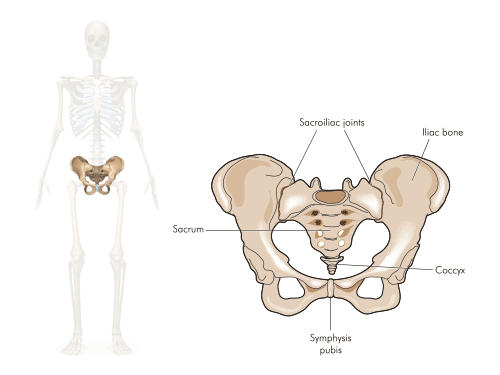
The pelvic girdle is a group of bones that form a bony ring at the base of your spine (see diagram below). There are two symmetrical hip bones, each consisting of three parts. These hip bones join at the front via the pubic joint (symphysis pubis) and at the back by the sacroiliac joints (sacrum).

Pelvic girdle diagram

During pregnancy, these joints and the soft structures supporting them (muscles, tendons and ligaments) are working overtime to support the weight of you and your growing baby. Add to this the numerous changes taking place in your body – such as the stretching of tummy muscles as your baby grows and an increase in the hormone relaxin to loosen the pelvic ligaments in preparation for labour – and suddenly, the soft tissues supporting your bony pelvis are either stretched too tight or more lax than usual.

Under these conditions, the joints of the pelvis are less well supported; they become unstable and begin to move unevenly. The degree of instability created will vary from one woman to the next and may be worse on one side than the other. This can lead to mild discomfort for some women but serious pain and reduced mobility for others. Pain seems to be particularly problematic for women with asymmetric instability – where one side of the pelvis is affected more than the other.

What you might feel

Women with pelvic instability will most commonly complain of pain in their lower back (over their sacroiliac joints) and in one or both hips, and/or pain at the front of their pelvis where their hip bones meet (over the pubic joint). This may also be accompanied by referred pain in the buttocks and/or down the back of the leg (sometimes confused with sciatica), as well as the groin and inner thigh. You may also hear or feel clicking, crunching or grinding in the pelvic area.

Depending on severity, the pain may vary from a mild, constant ache or feeling of stiffness through to a sharp, stabbing pain, particularly with movement. It’s common for women to experience pain (or worse pain) when climbing stairs or bearing weight on one leg, when turning over in bed, when getting in and out of a bath or car, and during straddling movements.

Symptoms can begin at any time but are usually first noticed late in the second trimester (from around 5 months on), with the severity of the pain typically increasing as the pregnancy progresses. While it is unusual for someone to be severely affected throughout their entire pregnancy, pelvic instability does tend to recur and start earlier during second and subsequent pregnancies.

Pelvic instability – it’s not normal

Unfortunately, pelvic instability and its associated pain may be dismissed by some healthcare professionals as a ‘normal’ part of pregnancy. This really isn’t the case – if you’re feeling discomfort such as that described, it’s important to let your obstetrician or GP know so we can advise on supportive measures. Studies have shown that pelvic instability can adversely affect a woman’s ability to perform daily activities, especially if there are other young children to care for and/or her job is physically demanding.

Managing the pain associated with pelvic instability

The pain you are experiencing can generally be controlled – i.e. relieved to a point where you can continue to function day-to-day, even if the pain is not entirely relieved – through a combination of physiotherapy, physical support, pain medication and modified activity.

Physiotherapy

It’s important to choose a physiotherapist who specialises in women’s health and can advise on:

  • The kinds of physical activities you should avoid or modify
  • Stretches to relieve overly tight muscles such as your gluts
  • Exercises to improve your core stability so your abdominal muscles are better able to support your pelvis (clinical pilates can also help; just be sure to choose an instructor who is familiar with modifying programs for pregnant women, including those with pelvic instability)
  • The need to wear a supportive belt or brace around your pelvis (this can be a particularly effective way to reduce pain while mobilising throughout the day but also while sleeping at night)
  • The need for a mobility aid such as a walking stick or frame
  • Physical supports you can use while sleeping, e.g. placing a pillow underneath your bump and another between your legs.

Modified activity

In terms of activity, where possible:

  • Try not to sit or stand for long periods at a time
  • Carry your weight equally across both legs (i.e. avoid leaning or standing on one leg)
  • Avoid heavy lifting, including other children (although this can be difficult)
  • Wear flat shoes, even for work
  • Make a point of keeping your knees together when getting in and out of the bed or car, or when turning over in bed (sudden ‘legs apart’ movement is a common precipitant of pain in affected women)
  • Avoid/limit movements or positions that stretch the pelvis, such as:
    • Sitting cross-legged
    • Climbing stairs
    • Vigorous walking
    • Changing direction suddenly
    • Breast stroke (if swimming).

Pain medication

Paracetamol is okay to use during pregnancy but stay clear of anti-inflammatories (like ibuprofen or diclofenac) unless your obstetrician or GP has advised otherwise. Occasionally, we may be required to prescribe stronger pain relief.

Other measures

Warm baths, heat/ice packs, regular massages to relieve tight muscles and acupuncture may also provide some relief. Putting some Epsom or magnesium salts in your bath water can also help to relieve restless legs (which often accompanies pelvic instability). If possible, seek help or alternative solutions for household chores, e.g. order groceries online and have them delivered, hire a cleaner temporarily.

It’s also important to recognise that pain can trigger feelings of sadness, anger, frustration, isolation and anxiety. Let your obstetrician or GP know if you are experiencing any of these symptoms so together we can provide you with the appropriate support and ensure that you are making the most of the relief measures described above.

What about delivery?

PGP is harmless to your baby and does not impact on your planned type of delivery. Sometimes symptoms can be severe enough to bring forward your delivery to 38–39 weeks. If you suffer from PGP, we will specifically tailor the physical support we provide during labour and help you find birthing position(s) that don’t exacerbate your pain, e.g. where possible, we will avoid prolonged legs apart positions.

When will the pain go away?

Not only is a huge weight suddenly removed after birth (!) but relaxin levels gradually decrease. For most women, the pain they have been experiencing usually stops within a few weeks of delivery. Some women even report immediate relief following birth. For best recovery, your postnatal routine should include a strengthening program for your abdominal and pelvic floor muscles – ask your physiotherapist to provide you with a suitable plan. This will also help ensure that these muscles are strong and well able to support your pelvis should you become pregnant again. While a very small number of women may take a while longer to recover after their baby is born, it’s important to know that the vast majority of women make a reasonably quick and complete recovery — until the next one that is!

Don’t suffer from pelvic pain

There are ways to manage pelvic instability to minimise pain or discomfort. If you need support to cope with pelvic instability during pregnancy, call my rooms on (03) 9418 8299 or book online to arrange an appointment.